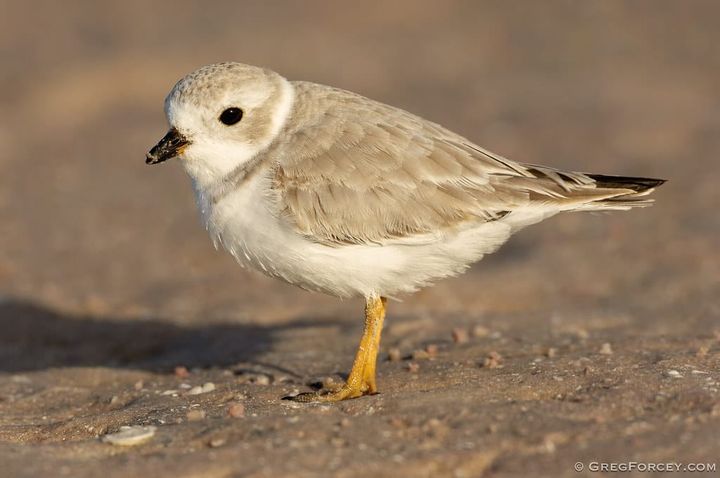
Trump Administration Removes Habitat Protection for Endangered Species The Trump Administration is changing the way the Endangered Species Act protects habitat.
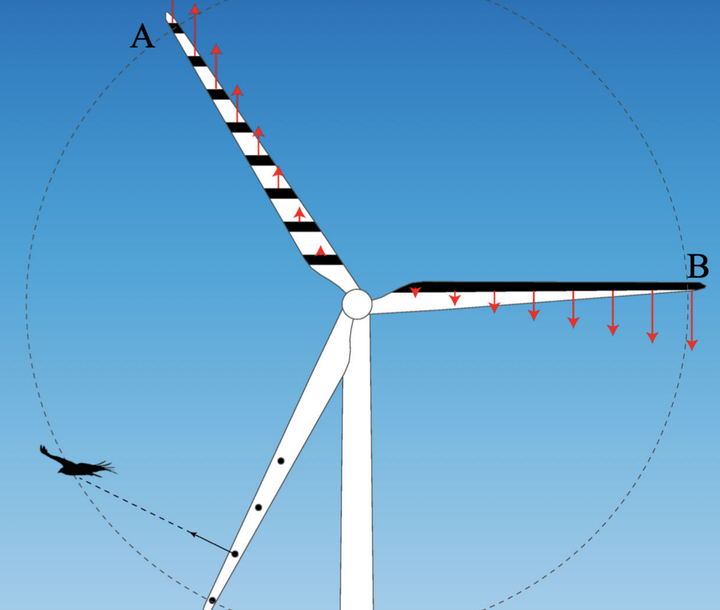
Painting wind turbine blades with alternate patterns could reduce bird deaths Painting different patterns on wind turbine blades could reduce bird collisions.
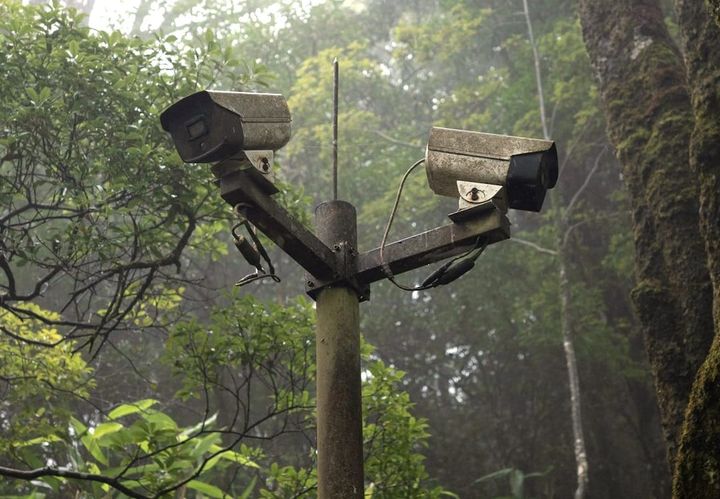
Artificial Intelligence Can Reduce Camera Trap Analysis Time and Benefit Conservation Using AI to identify animals in images shows promise when used with occupancy models
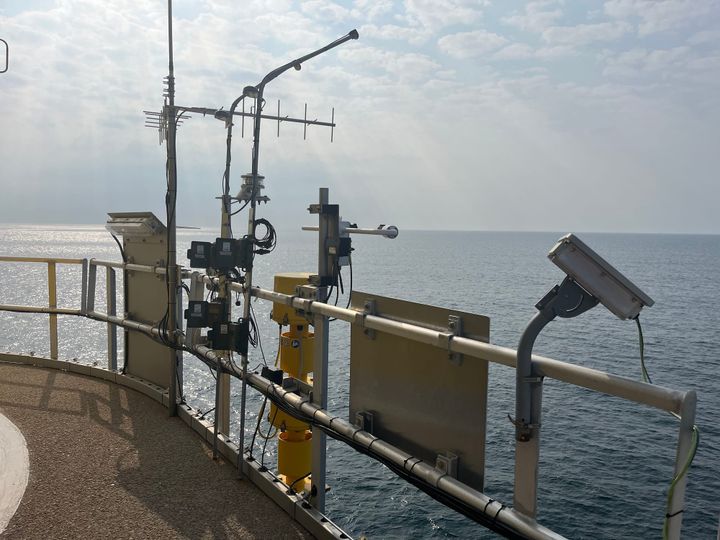
New Monitoring Technologies Show Low Bird Collision Risks at Offshore Wind Farms New radar and camera technologies show birds at low risk of collision with offshore wind turbines
Combining remote sensing technologies makes wind turbine impacts easier to study Combining multiple sensors when surveying wildlife can improve data quality.
Ultrasonic deterrents have limited effects on reducing bat fatalities at wind facilities New research suggests limited effectiveness of ultrasonic deterrents for bats at wind facilities
How does bat activity change at wind turbines across years in the offshore Atlantic Ocean? Variation in bat activity from year to year and within years could influence collision risk from offshore wind turbines.
Review of bat fatality studies at wind farms shows curtailment is an effective approach to reducing mortality Meta-analysis across eight wind facilities shows curtailment to be an effective approach for reducing bat collisions
How to study the effects of offshore wind energy on birds and bats in the Eastern United States Research identifies the most important topics to improve understanding of offshore wind's impacts on birds and bats
Do painted wind turbine blades reduce bird fatalities? Painting wind turbine blades in a different color has shown promising results for reducing bird fatalities.
Permitting Updates for Incidental Take of Eagles and their Nests in 2024 A summary of the new 2024 federal regulations for permitting incidental take of bald and golden eagles
Bird and Bat Conservation Strategies (BBCS) for Wind Energy Projects How bird and bat conservation strategies are used in wind energy projects
Biological assessments to facilitate wildlife permitting for energy projects When and why a biological assessment is needed when permitting an energy project
Post-construction Offshore Wind Bird and Bat Research Using Acoustic and Thermographic Offshore Monitoring (ATOM) Offshore wind bird and bat post-construction monitoring with Acoustic and Thermographic Offshore Monitoring (ATOM)